For years, CRO was a discipline built on three foundations: strong copy intuition, clean analytics, and patience. AI is reshaping all three — and the 2026 data shows the impact is accelerating faster than most teams anticipated.
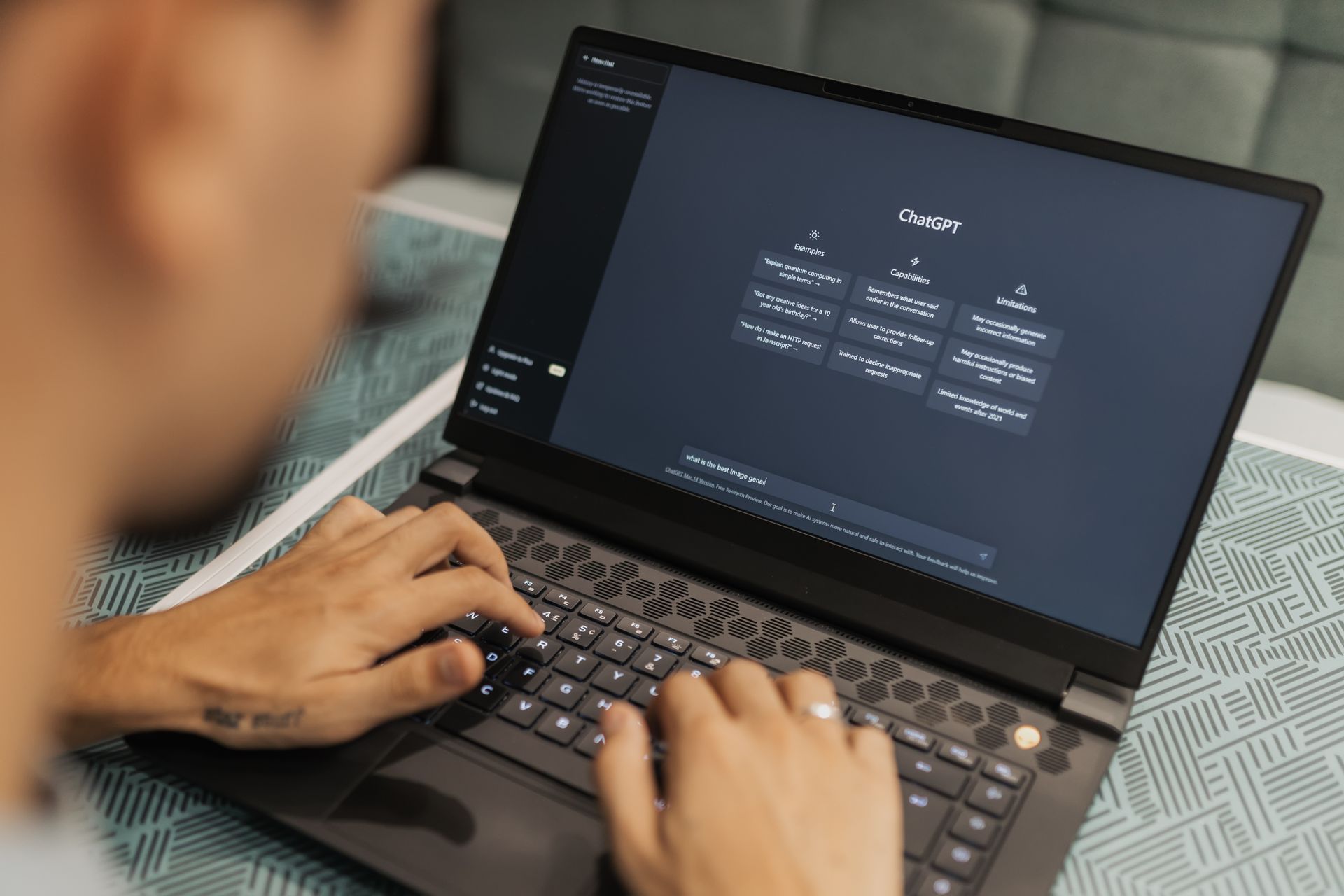
AI tools are now standard in high-performing CRO workflows — from hypothesis generation to copy variants and result interpretation.
AI-powered personalisation delivered a 44.72% conversion lift in 2026, up from 38.50% the year before. That 16% year-over-year improvement signals a technology crossing from early-adopter territory into standard practice. — 2026 Growth Marketer Survey
Hypothesis Generation at Scale
The most time-consuming part of any CRO programme isn't running tests — it's deciding what to test. AI tools can analyse your page copy, your traffic data (when provided), and patterns from similar pages to generate prioritised test hypotheses in minutes. A well-structured prompt that includes your baseline conversion rate, traffic sources, device split, and current page copy will typically produce a dozen actionable ideas.
Not every idea will be a winner, but the hit rate is often higher than brainstorming sessions alone — because AI isn't anchored to your team's existing assumptions about what your audience cares about.
Copy Variant Generation
Writing six headline variants used to take a copywriter half a day. AI can produce twenty in two minutes — which means CRO teams can test more ideas in parallel and iterate faster when a winner emerges. The key is prompting with context: product category, primary audience pain point, specific conversion goal, and any tone or length constraints. Generic prompts produce generic copy.
Real-Time Personalisation
The highest-impact AI application in CRO isn't copy generation — it's dynamic personalisation. Showing different headlines, proof points, and CTAs to different audience segments based on traffic source, device type, or behavioural signals requires the kind of real-time decision-making that only becomes tractable at scale with AI. The 44.72% conversion lift in the survey data is driven primarily by teams who have implemented this layer.
Result Interpretation
AI is increasingly useful at the analysis end of the testing cycle. Feeding your experiment data into an LLM and asking it to explain the result — including potential confounds, segment-level anomalies, and follow-on hypotheses — can surface insights a standard analytics dashboard would miss or require hours of manual segmentation to find.
Where AI Still Falls Short
AI doesn't know your customers the way your team does. It can't conduct a user interview, interpret a session recording with the nuance of someone who understands your product deeply, or pick up on the implication in a one-star review. The best CRO programmes use AI to accelerate the mechanical parts of the process and preserve human judgement for the strategic decisions.
The marketers seeing the biggest AI-driven conversion gains aren't replacing their CRO process — they're using AI to increase the number of well-designed tests they can run per quarter. That increase in velocity is where the 44% lift compounds into something transformational.