Last quarter we ran what looked like a straightforward headline test on a SaaS client's free trial landing page. We expected a modest lift. We got 28%. Here's what actually happened — including the insight that came from the losing variants.
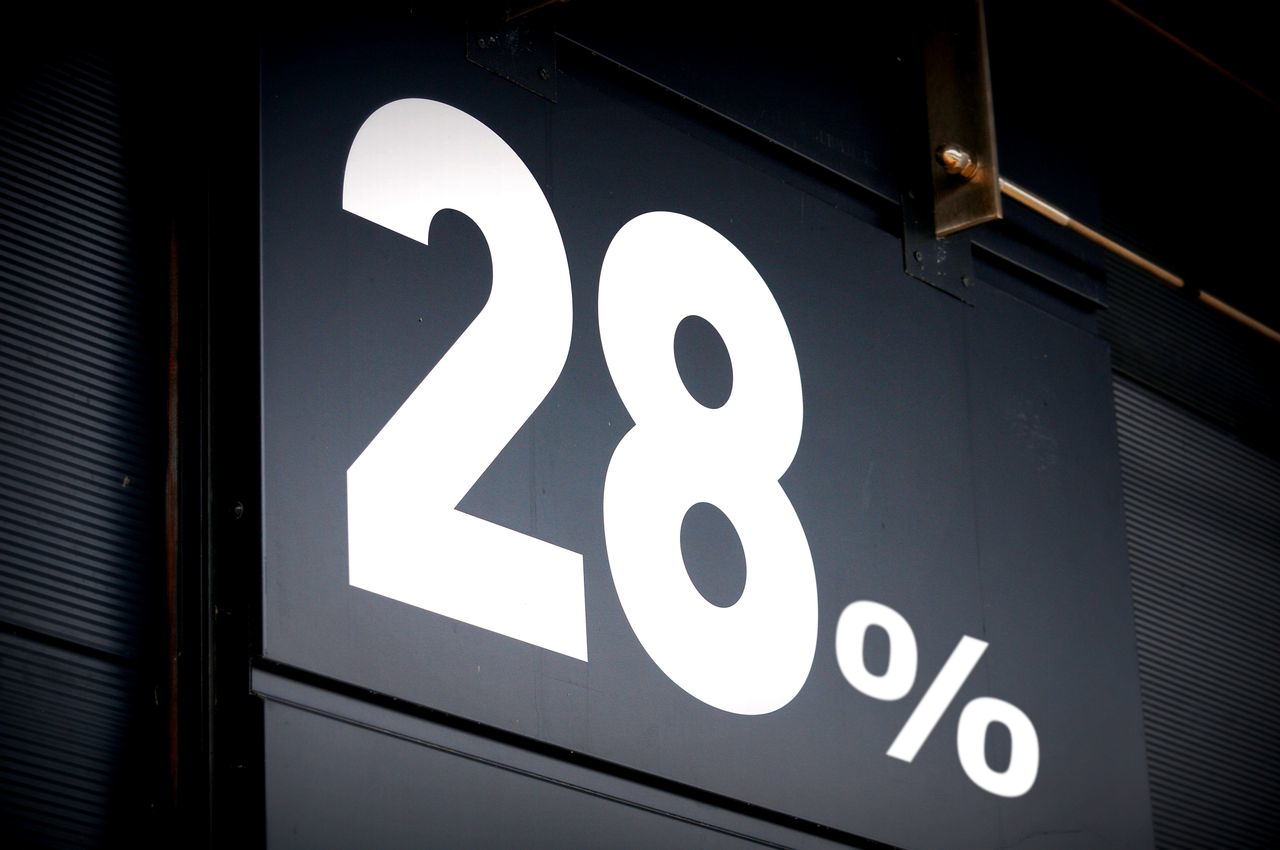
28% from one headline change. Not a redesign, not a new offer — just the right words in the right place.
Pages that are continuously tested and optimised convert at 211.76% higher rates than pages left static — up from 205.10% the year before. The compounding effect of running test after test on the same page is not incremental. It is transformational. — 2026 Growth Marketer Survey
The Setup
The page was converting at 4.2% — below the 2026 industry average of 7.20%, but not unusually low for this SaaS vertical. The existing headline was product-led: "The A/B Testing Platform Built for Growth Teams."
We generated five variant hypotheses, prioritised by expected impact based on the traffic source data (predominantly branded search and referral), and chose three to test alongside the control:
Variant A (benefit-led): "Lift Conversion Rates in 30 Days — or Get Your Money Back"
Variant B (pain-led): "Tired of A/B Tests That Don't Move the Needle?"
Variant C (social proof): "Join 1,400 Growth Teams Already Using Iteratist"
The Results
After three weeks and approximately 9,200 visitors split across four variants:
What the Losing Variants Revealed
Variant B — the pain-led headline — underperformed the control. That result was informative: this particular audience had already done enough research to know their problem. Reminding them of the pain felt redundant; showing them the solution did not. Audiences arriving from branded search are closer to a buying decision than top-of-funnel copy assumes.
Variant C came directionally positive but didn't reach significance. The social proof signal was real — we used it to redesign the subheadline on the next test, adding a testimonial with a specific number. That follow-on test lifted conversion by a further 9%.
The Compounding Effect
The 28% headline win and the subsequent 9% subheadline improvement compound to roughly a 40% cumulative lift from two tests on a single page over eight weeks. That's the logic behind continuous optimisation: no single test is transformational, but a programme of tests run at consistent cadence produces returns that one-off experiments never can.
The survey data puts a number on that compounding: pages under continuous optimisation convert at 212% higher than static ones. What looks like a series of modest wins accumulates into a categorical performance gap.